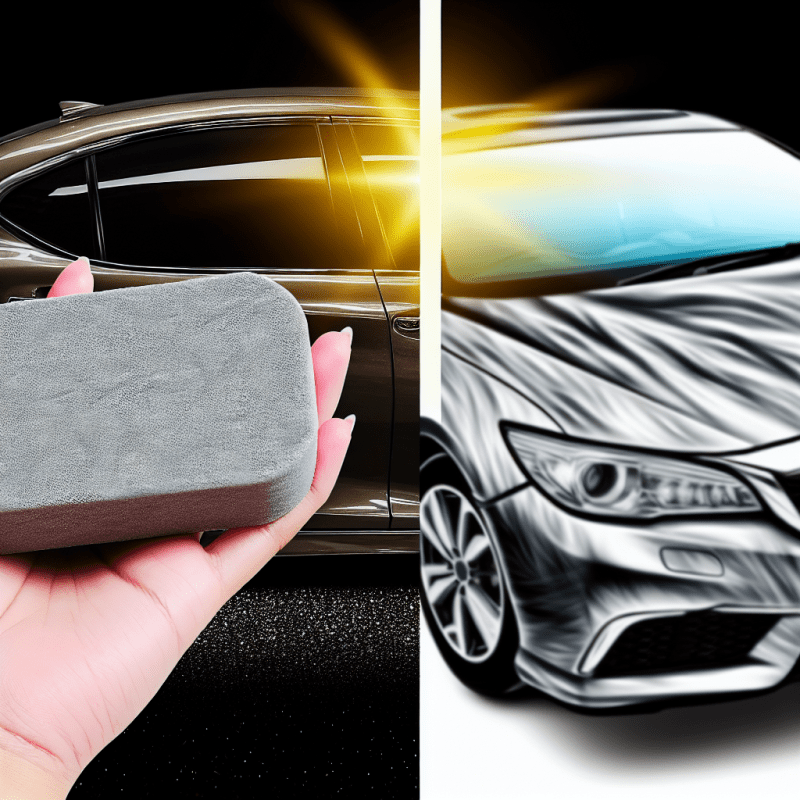
The Basics of Auto Detailing: A Comprehensive Guide for Beginners
The Basics of Auto Detailing: A Comprehensive Guide for Beginners
Auto detailing is the process of thoroughly cleaning, enhancing, and protecting a vehicle's appearance, both inside and out. Whether you're a car enthusiast looking to maintain your own vehicle or considering a career in professional car detailing, this comprehensive guide will give you a solid foundation to get started.
The Importance of Auto Detailing
Auto detailing goes beyond a regular car wash. It involves meticulous cleaning and restoration to bring out the vehicle's original beauty, protect the paintwork, and extend its lifespan. Proper detailing not only enhances the overall appearance of your vehicle but also helps to maintain its value over time.
Exterior Detailing
Exterior detailing focuses on cleaning, polishing, and protecting the vehicle's exterior surfaces. Here are the key steps involved in exterior detailing:
- Washing: Start by thoroughly washing the vehicle to remove dirt, grime, and contaminants using a high-quality car shampoo and microfiber mitt.
- Clay Bar Treatment: Apply a clay bar on the surface to remove stubborn contaminants such as tree sap, tar, and industrial fallout.
- Paint Correction: Use a machine polisher and appropriate compounds to remove swirl marks, light scratches, and oxidation, revealing a smooth and glossy finish.
- Waxing/Sealing: Apply a wax or sealant to protect the paintwork from UV rays, environmental pollutants, and provide a deep shine.
- Trim and Tire Care: Clean and protect exterior trims, vinyl, rubber, and tires using suitable products.
Interior Detailing
Interior detailing focuses on cleaning and restoring the vehicle's interior surfaces. Here's a breakdown of the essential steps:
- Vacuuming: Thoroughly vacuum the interior, including seats, carpets, floor mats, and hard-to-reach areas.
- Cleaning: Clean and treat upholstery, leather seats, dashboard, door panels, and other surfaces using appropriate cleaners.
- Window and Glass Cleaning: Clean all glass surfaces thoroughly, leaving them streak-free.
- Odor Elimination: Remove unpleasant odors by using odor neutralizers or air fresheners.
Additional Detailing Tasks
In addition to exterior and interior detailing, there are a few more tasks to consider:
- Engine Bay Detailing: Clean the engine bay using degreasers and specialized brushes to remove dirt and grime.
- Headlight Restoration: Restore clarity to foggy or oxidized headlights using restoration products or polishing.
- Wheel and Rim Cleaning: Clean and polish wheels/rims using wheel cleaners and appropriate brushes.
- Paint Protection Film (PPF) or Ceramic Coating: Apply a protective film or ceramic coating to provide long-term protection against scratches, UV rays, and other environmental factors.
Professional vs. DIY
While professional detailers have specialized tools and expertise, many car owners choose to do it themselves. Auto detailing can be a fulfilling DIY project, allowing you to personalize your approach and save money. However, it does require time, effort, and attention to detail.
Remember, practice makes perfect, so don't be discouraged if it takes a few tries to achieve professional-level results.
Now that you have a comprehensive understanding of the basics of auto detailing, you can embark on your journey to maintain your vehicle's beauty like a pro or explore opportunities to establish a career in the automotive detailing industry!
Essential Tools and Techniques for Achieving a Professional-Looking Car
Auto detailing is not just about cleaning your car, but also about restoring its original beauty and giving it a professional-looking finish. To achieve that showroom shine, you need the right tools and techniques. Here are some essential tools and techniques you should know:
1. Pressure Washer:
A pressure washer is a must-have tool for auto detailing. It helps remove dirt, grime, and even tough stains from your car's exterior. Use a pressure washer with an adjustable nozzle to ensure gentle cleaning on sensitive areas.
2. Microfiber Towels:
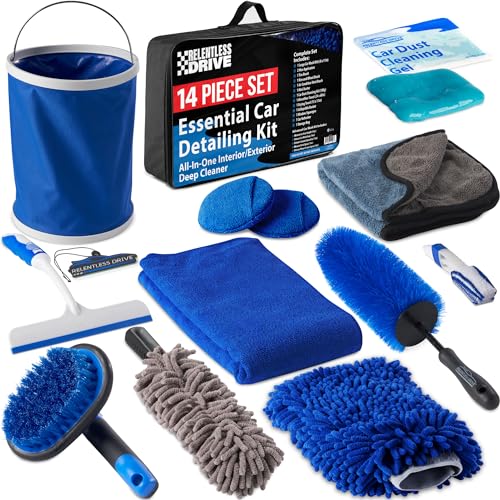
Microfiber towels are essential for a scratch-free and lint-free drying experience. They absorb water quickly, leaving your car's surface spotless. Invest in quality microfiber towels and use them exclusively for drying your car.
3. Clay Bar:
A clay bar is a great tool for removing contaminants like road tar, tree sap, and industrial fallout from your car's paint. It smoothens the surface, making it ready for polishing and waxing. Use a lubricant spray while clay barring to prevent any scratching.
4. Buffer/Polisher:
A buffer or polisher is a power tool that helps in applying wax or polish evenly across your car's surface. Choose a dual-action random orbital buffer for beginners, as it reduces the risk of surface damage. Be sure to use the correct pad and follow the instructions carefully.
5. Polishing Compound:
Polishing compound is used to remove minor imperfections, swirl marks, and light scratches from your car's paint. It restores shine and brings back the luster to your vehicle. Apply the compound using the buffer and work in small sections for the best results.
6. Applicator Pads:
Invest in good quality foam or microfiber applicator pads for applying wax or sealant to your car's paint. They ensure even and smooth application, resulting in a glossy, protective layer. Replace the pads regularly to avoid any buildup of old product.
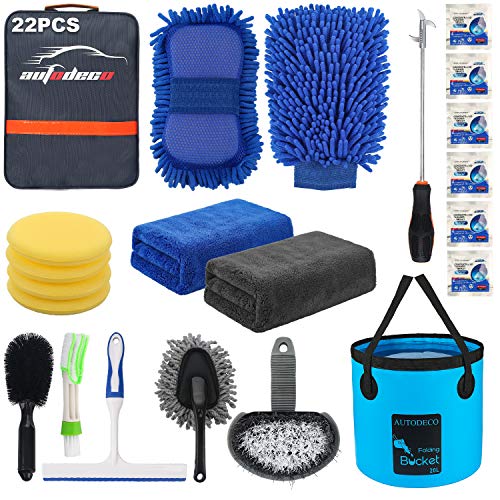
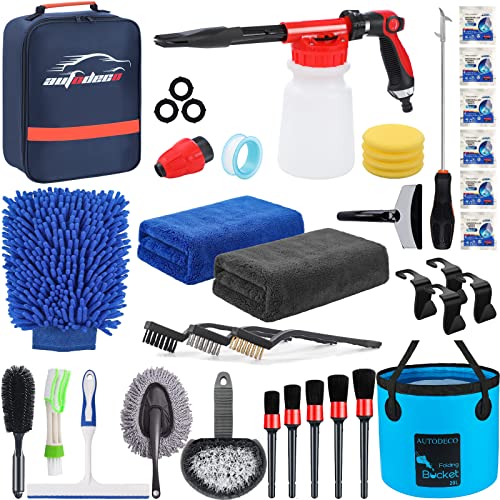
7. Detailing Brushes:
Detailing brushes are useful for cleaning hard-to-reach areas like grilles, vents, emblems, and other intricate parts of your car. Use different-sized brushes with soft bristles to avoid scratching or damaging delicate surfaces.
8. Vacuum Cleaner:
A powerful vacuum cleaner is crucial for maintaining a clean car interior. It helps remove dust, dirt, and debris from carpets, seats, and hard-to-reach corners. Use various attachments to access tight spaces and crevices effectively.
9. Leather Cleaner and Conditioner:
If your car has leather seats or interior surfaces, a dedicated leather cleaner and conditioner are essential. Clean regularly and apply a conditioner to keep your leather soft, supple, and protected from drying out or cracking.
10. Glass Cleaner:
For crystal-clear windows and mirrors, use a streak-free glass cleaner. Avoid ammonia-based cleaners as they can damage window tint. Instead, opt for a specialized glass cleaner that removes fingerprints, smudges, and haze effectively.
Remember, detailing your car requires time, patience, and attention to detail. With the right tools and techniques, you can achieve a professional-looking car that turns heads wherever you go.
Expert Tips and Tricks to Master the Art of Auto Detailing
Auto detailing is not just about making your car look good on the outside, it's about knowing the secrets that professionals use to achieve that showroom finish. Whether you're a car enthusiast looking to improve your skills or a professional detailer aiming to take your work to the next level, here are some expert tips and tricks to help you master the art of auto detailing.
1. Start with Proper Preparation
Before you begin the detailing process, it's crucial to prepare your car properly. This includes removing any loose dirt or debris by giving your car a thorough wash. Use a high-quality car shampoo and a microfiber wash mitt to prevent scratches. Pay attention to the wheels, tires, and other hard-to-reach areas that often accumulate grime.
2. Use the Two-Bucket Method
To avoid spreading dirt and contaminants, use the two-bucket method when washing your car. Fill one bucket with soapy water and another with clean water. Dip the wash mitt into the soapy water, wash a section of your car, and then rinse the mitt in the clean water before dipping it back into the soap bucket. This helps to maintain the cleanliness of your wash mitt and prevent scratching your vehicle's surface.
3. Master the Art of Clay Bar
A clay bar is an essential tool in auto detailing, as it effectively removes contaminants that stick to your vehicle's paint. To use it effectively, lubricate the surface with a clay lubricant or soapy water, then gently glide the clay bar back and forth. Regularly knead the clay bar to expose a clean surface. It's important to follow the instructions and not press too hard to avoid damaging the paint.
4. Don't Forget the Interior
Auto detailing is not just about the exterior of your car; the interior deserves attention too. Vacuum the carpets, seats, and floor mats to remove dirt and debris. Use a gentle brush and a suitable cleaner for fabric or leather surfaces. Pay special attention to the dashboard, center console, and door panels, cleaning them with appropriate interior cleaners to restore their original luster.
5. Protect and Maintain Your Hard Work
After completing the detailing process, apply a high-quality wax or sealant to protect your car's paintwork from environmental factors. Additionally, regularly washing your car using proper techniques and products will help maintain that freshly detailed look for longer. Consider investing in quality microfiber towels, foam applicators, and detailing brushes to ensure your tools enhance your efforts.
In Conclusion
With these expert tips and tricks, you'll be well on your way to mastering the art of auto detailing. Remember to always prioritize proper preparation, utilize the two-bucket method, master the clay bar technique, give attention to the interior, and protect your hard work for long-lasting results. Happy detailing!